Common Nail Diseases

Nails reflect health. From onychomycosis to onychophagia, knowing the 7 most common nail disorders is crucial for biosecurity and professional success. Remember the Golden Rule: If there’s an infection, DON’T TOUCH and refer. Want to ensure client safety and make accurate diagnoses? Level up: Enroll in our advanced colorimetry course and master biosecurity from day one!

These are conditions that harm the health and appearance of the nails. These are diseases that you will commonly identify when a client arrives at your table and can manifest in changes in:

  • Color
  • Shape
  • Structure
  • Texture

They are also caused by:

  • Fungal infections
  •  Disorders
  • Genetic conditions

Common nail diseases and disorders

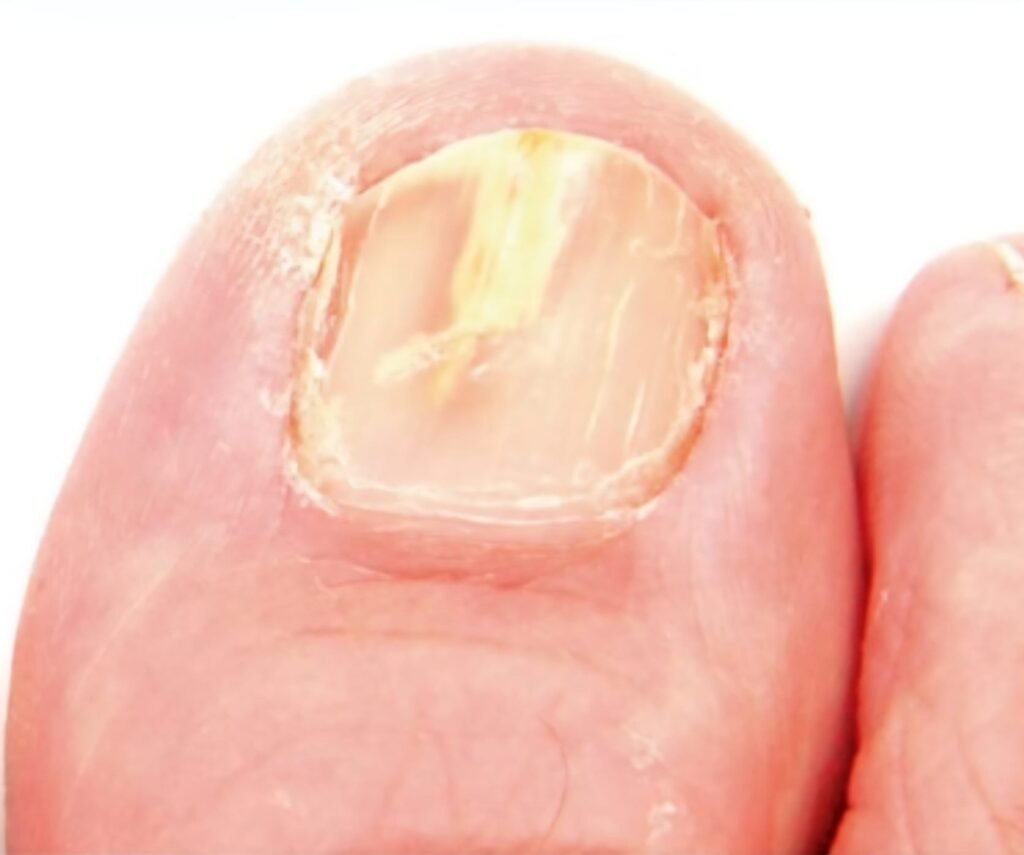
Onychomycosis

Fungal disease, causes changes in color and shape (itching, pain, bad smell, possible loss of the nail)

  • Constant exposure to moisture
  •  Use of extreme footwear
  • Trauma
  • Excessive sweating
  • Immunocompromising diseases

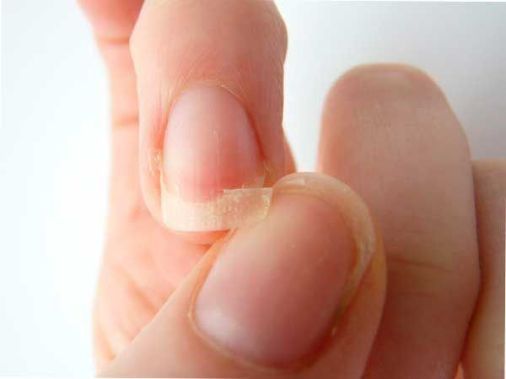
Brittle nails

Brittle nails are weak and fragile nails. They can be caused by factors such as:

  • Poor diet
  • Constant exposure to chemicals
  • Use of low-quality nail polishes or removers
  • Incorrect practices during nail care

Maintaining a balanced diet and adequate hydration, and using quality products can help strengthen nails.

Brittle nails

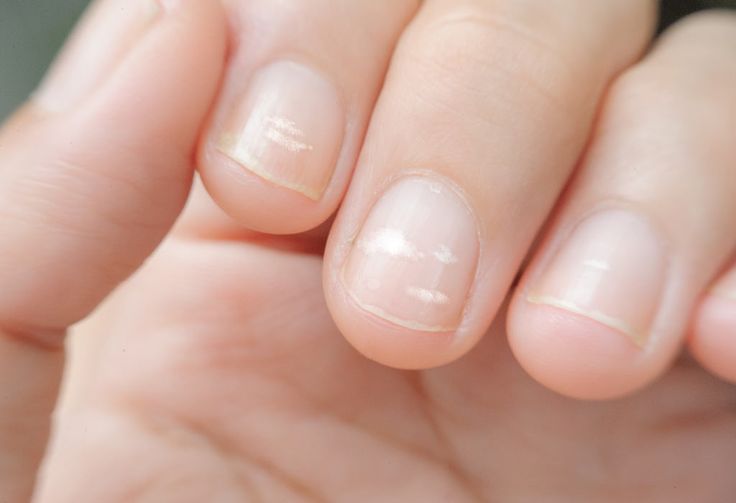
It manifests as white spots on the nail and can be the result of:

  • Trauma to the nail matrix, this can be due to aggressive manicures or some systemic diseases

You must identify the cause to adequately address the condition and improve the appearance of the affected nails.

Striated nails

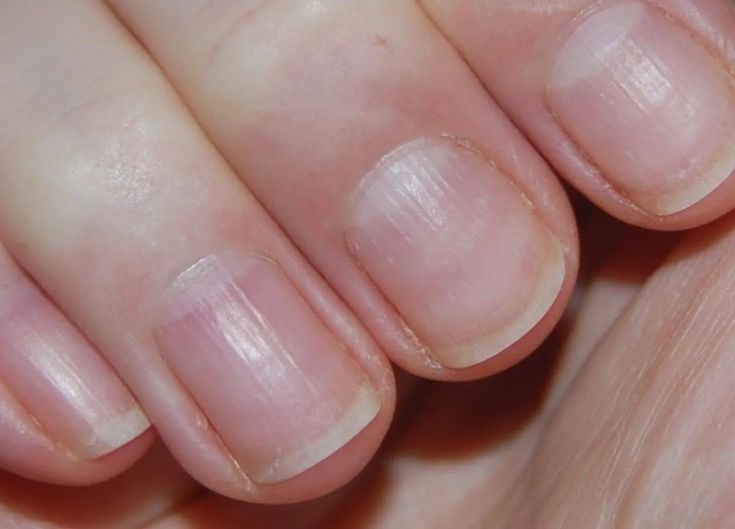
They appear as horizontal or vertical lines on the nail and can be due to altered growth. They can be caused by:

  • Genetic factors
  • Aging
  • Systemic diseases (such as diabetes)
  • Vitamin deficiencies
  • Aggressive manicures
  •  

These can be treated with:

  • Changes in diet
  • Vitamin supplements
  • Use of gels or polishes to level the nail surface

Paronychia

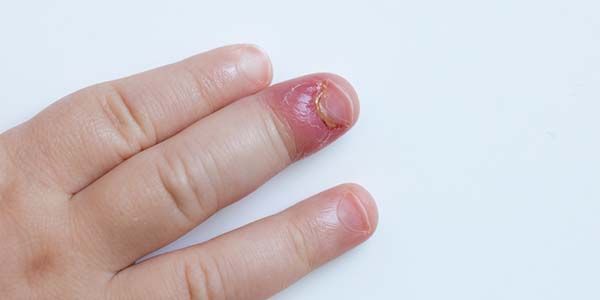
Also known as “whitlow”, it’s an infection and inflammation of the area surrounding the nail.

  • Generally caused by
  • bacteria or fungi.
  • Redness
  • Swelling
  • Pain
  • Suppuration

The proper treatment is to apply hot or cold compresses, but treatment must include approval prescribed by a doctor.

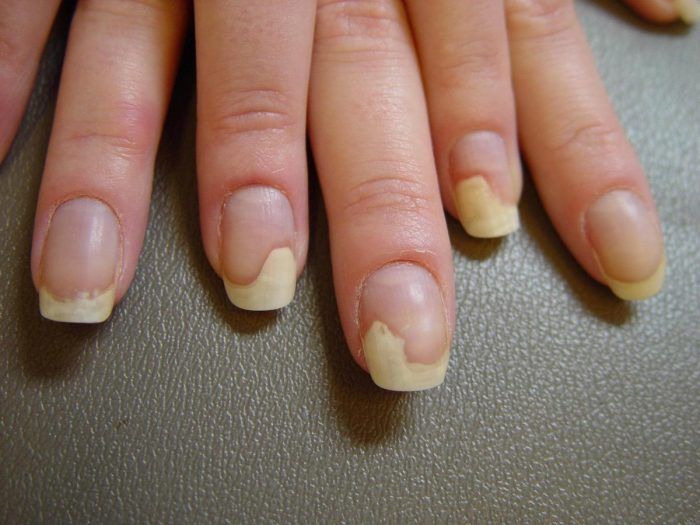
Onycholysis

It’s a condition where the nail separates from the nail bed. This disease can be caused by:

  • Poorly performed procedures
  • Trauma
  • Genetic
  • Prolonged exposure to moisture
  • Fungal infections
  •  

The goal is to promote regeneration and health of the affected nail.

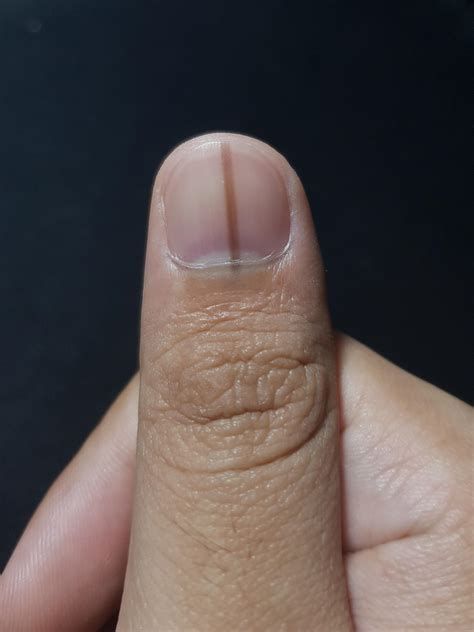
Melanonychia

It’s a spot that crosses with brown or grayish pigmentation lines in the nail plate. This is caused by an excess of melanin.

Normally affects a single nail, but in individuals with dark skin, it can present in multiple forms due to the activation of benign melanocytes

Caused by:

  • Nevus at the level of the nail matrix
  • Trauma
  • Pregnancy
  • Addison’s disease
  • Medications
  • Lack of vitamin B12
  • Malnutrition
  • etc.

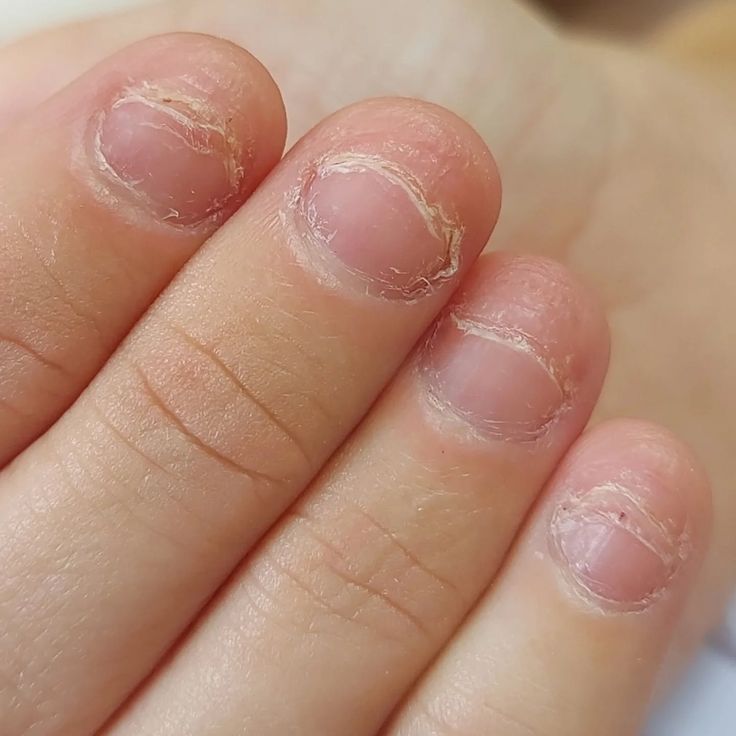
Onychophagia

It’s a bad habit that develops as a result of stress, nervousness, or anxiety in some people. It’s a bad habit that consists of biting the nails excessively, sometimes to the point of total loss.

  • Causing a bad aesthetic impression, Onychophagia can make people prone to other diseases due to the vulnerability of their nails.
  • It’s important to address this condition to preserve the health and appearance of the nails.

In the area of manicure, we not only face diseases directly related to the nails, but also indirect conditions that can limit the performance of procedures.
The golden rule, biosafety tips in your salon

Some recommended tips in these cases are:

* If you see any sign of infection, the golden rule is DO NOT TOUCH.

* Send your client to the dermatologist and sterilize all your equipment.

Biosafety is taught on our first day. Sign up for our course and learn everything you need in professional sanitation and hygiene

Indirect conditions: * Dermatitis *Hyperhidrosis

Leave a Reply

Your email address will not be published. Required fields are marked *